
Arrest Warrants in Reagan County
In Texas, an arrest warrant is a written order telling a peace officer to bring an accused person before a magistrate. Texas Code of Criminal Procedure articles 15.01 and 15.02 lay out what the document needs: the accusation, a direction to a peace officer, and the magistrate's signature. Reagan County publishes no public arrest-warrant name search, so the issuing court and its clerk remain the practical route to a case file. The Texas chapter 15 text lays out this arrest-warrant framework for anyone weighing a local records question.
Read the statute for the general form, then ask the issuing Reagan County court about your specific case.
Reagan County Arrest Warrants Have Different Offices
Different offices keep different pieces of a Reagan County case. A felony file may point to the 112th Judicial District Court and the combined County/District Clerk, while county-court and lower-court matters sit in separate records. The sheriff can explain execution and law-enforcement routing, but the originating court controls its own order and any recall. Match the office to whatever your citation, cause number, or notice names. One name search at a single office will not cover every court or any federal process.
What a Reagan County Arrest Warrant Contains
Reagan County posts no sample arrest warrant. That leaves the local number pattern, bond display, and public result fields unverified. The statute sets the basic form, but a real file can carry more material or redactions.
| Warrant or cause number | Ask the court which case identifier applies; no local format was sampled. |
|---|---|
| Accusation | Identifies the offense stated in the process, if public. |
| Issuing magistrate | Shows the judge or magistrate who issued the order. |
| Officer direction | Names the peace officer or class of officer directed to execute it. |
| Issue and return dates | May show when the warrant issued and what was returned to court. |
| Bond information | Obtain current amount and type from the issuing court; no county schedule is posted. |
The official chapter 15 text describes the statutory form a Reagan County warrant follows. A legal file may hold more fields than a brief public entry.
Reagan County Felony Files Go to the 112th
Felony cases in Reagan County go to the 112th Judicial District Court, where Judge Pedro Gomez Jr. presides. The combined County/District Clerk, Tammy Hodge, is the public records route for district felony files. Neither office runs a public active-warrant search. For a felony concern, use the official 112th District Court contact page or the clerk's records desk. A lawyer can help before any appearance.
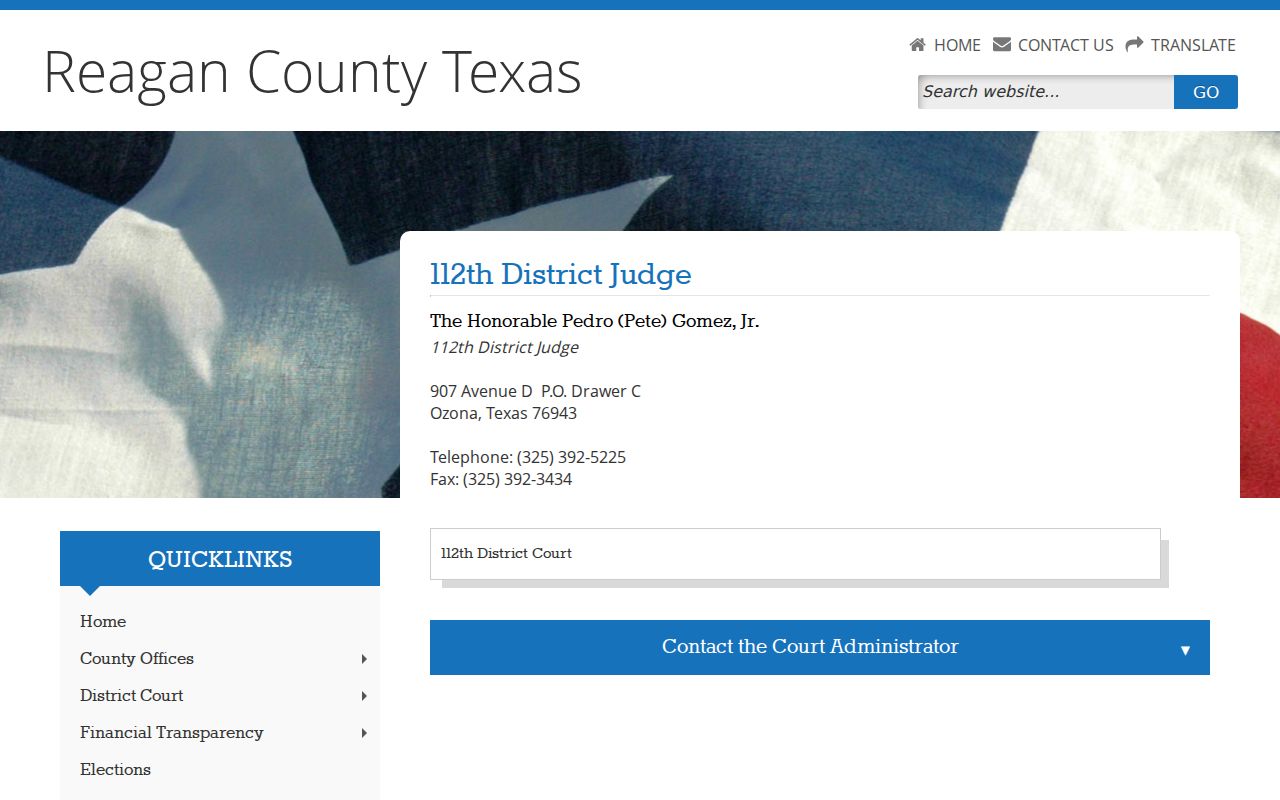
This court route applies to district matters, not automatically to city or JP citations.
How Reagan County Arrest Warrants Are Served
The Sheriff's Office is the confirmed law-enforcement contact for Reagan County. It names no separate warrant unit and publishes no service schedule, so the officer or agency that executes a warrant turns on the order and the case. If service may be pending, call an attorney and ask the court what to expect. Never use a jail visit to test your status. Booking, release, bond, and the next court date are each separate steps that must be confirmed for the case at hand.
Reagan County Federal Warrants Leave Local Files
Federal matters tied to Reagan County land in the Northern District of Texas, San Angelo Division. PACER shows filed federal docket material, but sealed or unfiled warrants may not appear there, and no county or state search can settle a federal concern. Turn to federal counsel or the proper federal clerk or U.S. Marshals route. The PACER access page explains its docket service and fees.
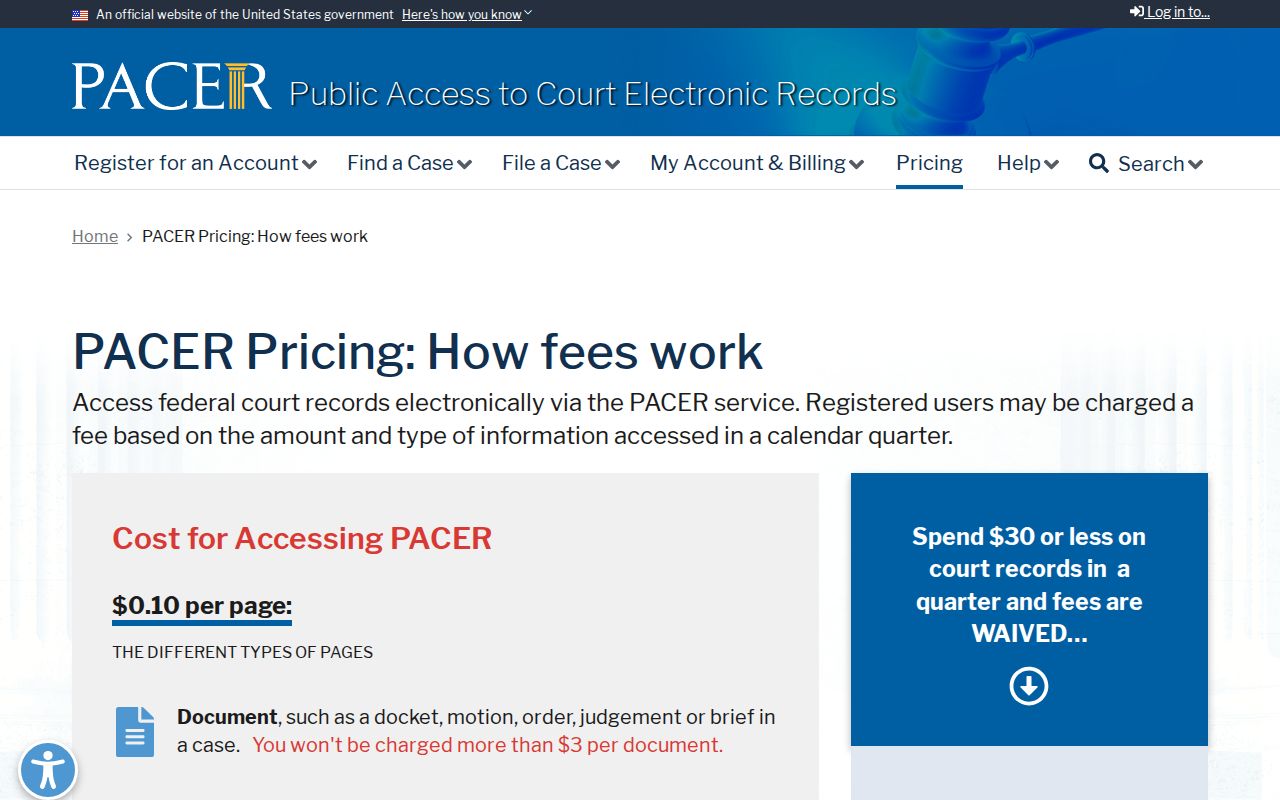
Federal docket access is separate from Reagan County court records.
Arrest Warrant vs Summons vs Bench Warrant
An arrest warrant orders an officer to take a person before a magistrate. A summons asks for an appearance without that immediate custody command. A bench warrant usually follows a missed court duty. The court can explain which process applies, and Reagan County bench warrants covers the missed-date route.
| Feature | Arrest Warrant | Summons | Bench Warrant |
|---|---|---|---|
| What It Orders | Officer takes the accused before a magistrate | Person appears as directed | Response to a missed court duty |
| Basis | Magistrate-issued criminal process | Notice to appear | Existing case obligation |
| Who Issues It | Judge or magistrate | Court or authorized officer | Judge or magistrate |
| How to Respond | Confirm court, counsel, and bond steps | Attend by the stated date | Ask issuing court about appearance or recall |
Reagan County Search Warrants Have Separate Rules
A search warrant is not an arrest order. It authorizes a search for described property or evidence, and Texas Code of Criminal Procedure chapter 18 governs how it is issued and executed. Material from an executed search warrant may carry a different public-access status than active arrest process. Reagan County offers no comparable search-warrant portal, and a Tarrant County example is not local policy, so do not use it to predict access here. The chapter 18 statute supplies the state framework.
Ask the issuing office about the access path for a particular executed warrant.
What to Do If There's a Warrant for You
Ask the issuing court to confirm the process first. Then work out the safest response with a licensed Texas attorney, since the right step depends on the case and may be a voluntary appearance, bond, or a motion to recall or quash. Reagan County publishes no bond chart, no warrant walk-in docket, and no online recall form.
Important: Do not rely on an empty public search; consult counsel and confirm the court’s instructions before appearing.
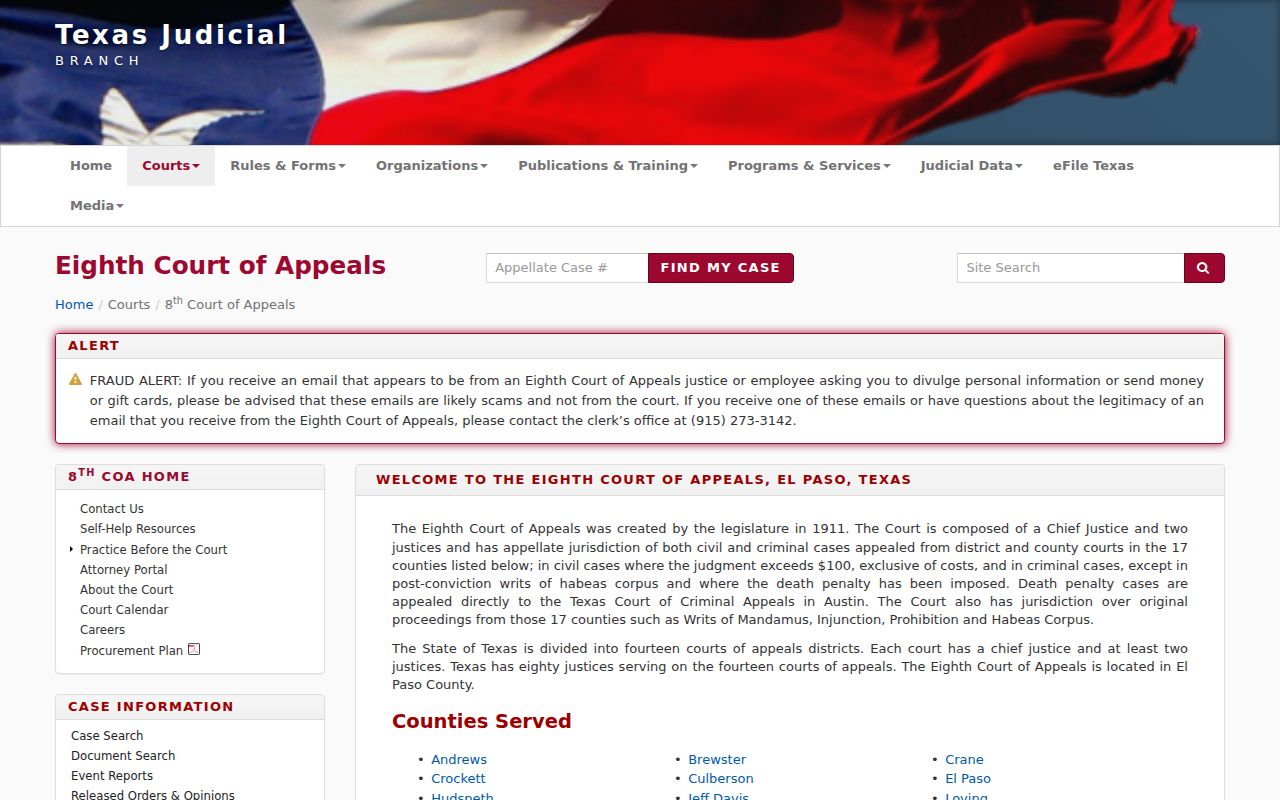
For a public file request, contact the office that keeps the case. If your Reagan County case is on appeal, the Eighth Court of Appeals handles that appeal. It is not a warrant lookup or recall route.
Reagan County Appeals Do Not Check Warrants
Reagan County sits among the counties the Eighth Court of Appeals serves, but that court is no active-warrant search office. A warrant question still belongs with the issuing trial court or the law-enforcement office handling execution. The Eighth Court of Appeals directory helps place appellate matters. It does not replace a call to the County/District Clerk, a JP, or a municipal court about a current case.
Use the appellate court for appellate procedure only.